The Language of Lines: Designing with Pathways and Edges May 11, 2026
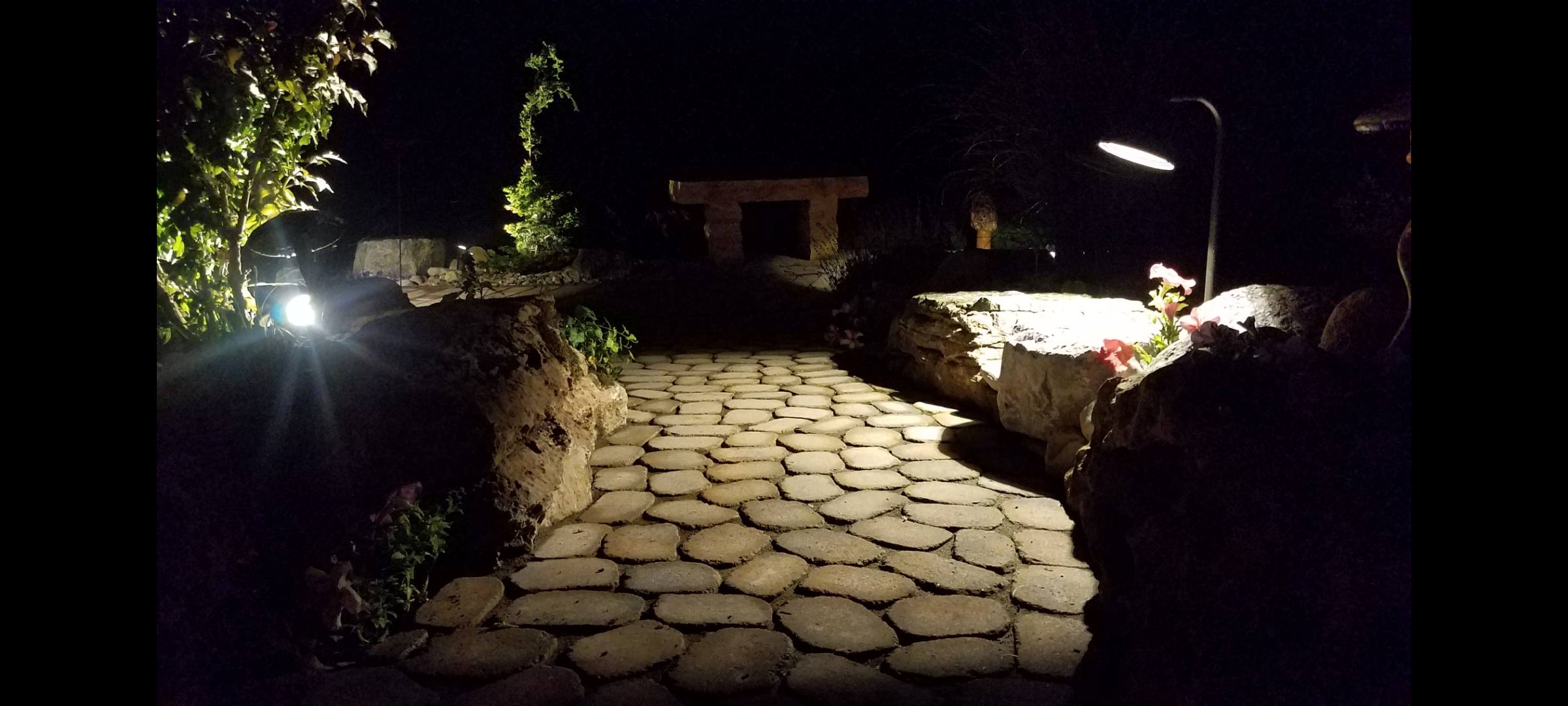
Pathways are the veins of any garden or landscape, guiding guests and inhabitants through the scenic beauty that lies within. Thoughtfully designed pathways do much more than provide a functional route; they invite exploration and can even dictate the pace of a stroll. Introducing curves in a pathway, for instance, encourages a leisurely pace, allowing one to absorb the surroundings. A straight path, conversely, speaks of directness and urgency, suitable for swift transitions between spaces.
When constructing pathways, the choice of materials plays a crucial role. At Admiring Landscapes, we often recommend using local materials that not only harmonize with the natural landscape but also withstand local weather conditions. Flagstone, gravel, brick, or wood chips each offer unique textures and colors that can contrast or complement the greenery surrounding them. The durability and aesthetic appeal of the pathway materials speak volumes about the garden's personality, creating a first impression that lingers.
Edges, on the other hand, define the parameters of a garden while providing structure to the landscape. They prevent garden beds and lawns from encroaching upon pathways, keeping chaos at bay and maintaining clarity in the landscape design. Edging materials range from natural stone to metal to flexible plastic, each offering its own set of advantages. Metal edging, for instance, provides a modern, sleek finish that resists soil movements, while natural stone integrates seamlessly into the outdoor setting.
Adding strategically placed edging not only enhances visual appeal but also aids in protecting plant beds from being overrun. By creating distinct barriers, one can delineate spaces without imposing harsh interruptions in the flow of the natural environment. Additionally, they can guide water flow and prevent erosion, supporting sustainable landscape practices.
Beyond aesthetics, pathways and edges also speak to an audience's subconscious. A well-crafted pathway invites onlookers to feel welcomed and secure, whereas edges convey order and intentionality. These elements embody the harmony between man-made structures and the organic beauty of nature. Thus, integrating pathways and edges effectively requires a keen understanding of spatial dynamics and an eye for detail.
For clients of Admiring Landscapes, mastering the language of lines involves collaboration and careful planning. Our team works closely with each client to capture their visions while maximizing the potential of their outdoor spaces. By considering factors like sun exposure, foot traffic, and existing natural elements, we ensure that each line and curve finds its perfect home.
In conclusion, pathways and edges are much more than mere additions to landscape design; they are vital components that shape the experience of any outdoor space. When designed thoughtfully, they improve navigation, enhance safety, and elevate the overall aesthetic allure of gardens and yards. Let Admiring Landscapes guide you in creating an outdoor paradise that not only captivates but captivates with every step and edge, fostering a sense of unity and serenity within nature. Embrace the power of lines and discover the difference they can make in transforming your outdoor landscape into a masterpiece.
/filters:no_upscale()/filters:format(webp)/media/3c4afb92-5c5a-425f-90ed-f026daac1934.jpeg)