The Art of Layering: Designing Depth and Dimension in Outdoor Spaces Feb 23, 2026
To start, let’s delve into the basics of layering in landscape design. Much like layering a painting, the goal is to create a visual journey that pleases the eye and leads it through the different aspects of the garden. Layering involves arranging plants and structures in a way that builds a sense of scale and perspective, making any outdoor space feel more dynamic and alive.
Begin with the largest elements. When designing your garden's layout, start with the spaces that anchor the view. Larger trees or tall structures can serve as such focal points. They define the background layer and create the perfect backdrop for the subsequent layers. Think of these elements as the foundation upon which the rest of your landscape design will build.
As you move forward, introduce mid-sized plants. These could include shrubs, ornamental grasses, and flowering bushes. Aim to create a seamless transition between the towering background and the ground. This middle layer plays a vital role in filling in gaps and adding bulk to the design. When selecting plants for this layer, consider seasonal interest to ensure your garden remains captivating throughout the year.
Next, focus on the foreground with low-growing plants and ground covers. These are critical for ensuring that your garden no longer simply ends at the feature plantings but flows naturally to the ground. Ground covers such as creeping thyme or hostas can soften the edges and prolong the visible line of the garden. By strategically placing these plants, you not only enhance the visual aesthetics but also improve the ground's efficiency in preventing soil erosion and controlling weeds.
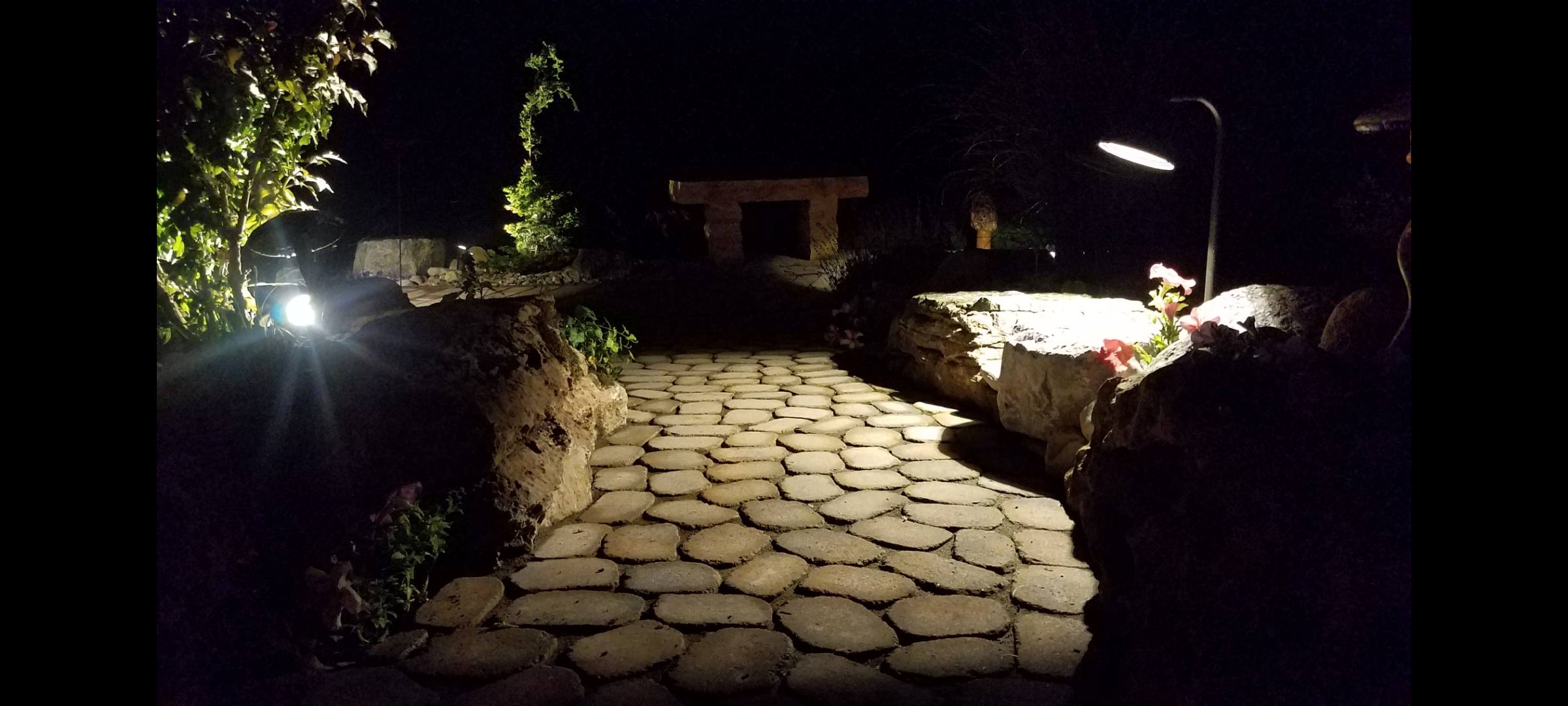
Incorporating hardscape elements is another aspect of layering that should not be overlooked. Paved pathways, stone walls, or wooden decks can significantly influence how we experience outdoor spaces. Hardscapes are excellent for creating contrast and highlighting the surrounding flora. They naturally draw the eye, encouraging people to explore the garden and engage more deeply with nature.
Don’t forget the power of vertical layers. Vining plants can add height and additional layers of texture when trained on trellises or arbors. Vertical gardening can be particularly effective in smaller spaces, where maximizing every inch is crucial. Moreover, vertical elements can also provide privacy, shade, and even support biodiversity by attracting birds and bees.
Finally, the importance of understanding light and shadow cannot be understated when designing with layers. Different plants have unique sunlight requirements, and recognizing how light filters through trees or bounces off walls can profoundly impact plant health and growth patterns. This awareness helps in placing plants strategically, ensuring optimal conditions that promote lush growth and reduce maintenance efforts.
Layering isn’t just about creating visual appeal—it's about cultivating a sense of harmony and organization in your outdoor area. By thoughtfully selecting and placing each element, you can create a space that reflects your personal style while also providing a habitat for wildlife and delighting visitors.
At Admiring Landscapes, we specialize in bringing these concepts to life, transforming everyday yards into extraordinary outdoor experiences. Whether you're starting from scratch or looking to enhance your existing landscape, the creative practice of layering can enrich your surroundings and elevate your garden to new artistic heights.
/filters:no_upscale()/filters:format(webp)/media/3c4afb92-5c5a-425f-90ed-f026daac1934.jpeg)