Alpine Allure: Designing High-Elevation Gardens with Grace May 22, 2026
Starting with the foundations, selecting the right site and carefully preparing it lays the groundwork for success. High-elevation gardens face the unique challenge of exposure to intense sunlight, strong winds, and cooler temperatures. These elements, while daunting, can be beautifully leveraged to create a garden that captures the essence of alpine environments. When scouting the perfect spot, consider areas naturally sheltered by boulders or trees, offering some protection against harsh winds. Building raised beds with excellent drainage can also simulate the porous soil conditions typical of mountainous areas, promoting the health and vitality of alpine plants.
The next step is to choose the ideal plants that thrive in high-altitude conditions. Alpine flora such as dwarf conifers, perennial rock garden plants, and native grasses are excellent choices. These plants are well-suited to survive harsh climates and bring vibrant color and texture to your garden. Dwarf conifers, with their intricate shapes and varied foliage hues, add structural beauty. Rock garden perennials, such as sedums and saxifrages, provide bursts of color and are incredibly hardy against frost. Incorporating native grasses not only enhances the natural look but also supports the local ecosystem by providing habitat and food for native wildlife.
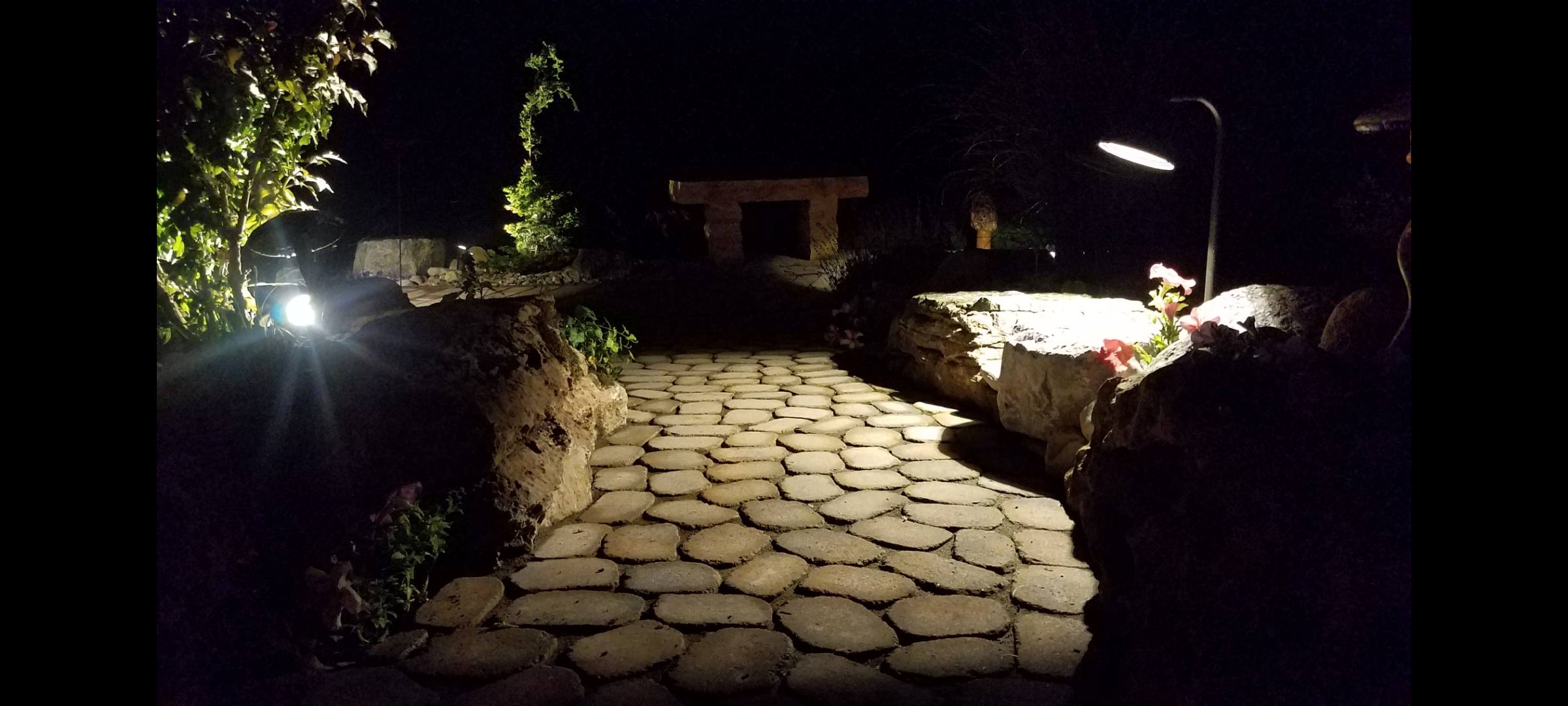
As we venture deeper into designing the details, the structural components, or hardscaping elements, become crucial. High-elevation gardens benefit from the strategic use of rocks, paths, and water features, which all contribute to creating a seamless blend with the surrounding landscape. Rockeries are a quintessential feature, offering both natural aesthetics and practicality, acting as windbreaks and retaining moisture. Winding stone paths invite visitors to explore and discover, adding an element of mystery and surprise. A thoughtfully placed water feature, such as a small stream or pond, introduces tranquility and a dynamic focal point that reflects the beauty that surrounds it.
Furthermore, consider how lighting can enhance the alpine charm, extending the garden's appeal into the evening hours. Solar-powered lights offer an eco-friendly way to illuminate paths and highlight specific plant features, creating a warm and inviting atmosphere. Lighting can dramatically enhance the beauty of your garden, especially under the starry mountain sky.
In conclusion, designing a high-elevation garden is an endeavor that rewards dedication with stunning visual and ecological rewards. At Admiring Landscapes, we can guide you through each stage, ensuring that your alpine paradise unfolds beautifully amidst the majestic backdrop of the mountains. By embracing the unique challenges of high-altitude gardening, you not only craft a space that is visually captivating but also contribute to the preservation and appreciation of the natural alpine environment.
With these insights and tips, you are now well-equipped to begin your journey into applying the charm and allure of alpine gardening right in your own backyard. Whether you are perched on a mountain ridge or simply inspired by their grandeur, the grace of an alpine garden awaits.
/filters:no_upscale()/filters:format(webp)/media/3c4afb92-5c5a-425f-90ed-f026daac1934.jpeg)